An Ecological Perspective on Modern American Farming
How the Shift Toward Large-Scale Agriculture Is Quietly Reshaping the Balance Between People, Animals, and the Land

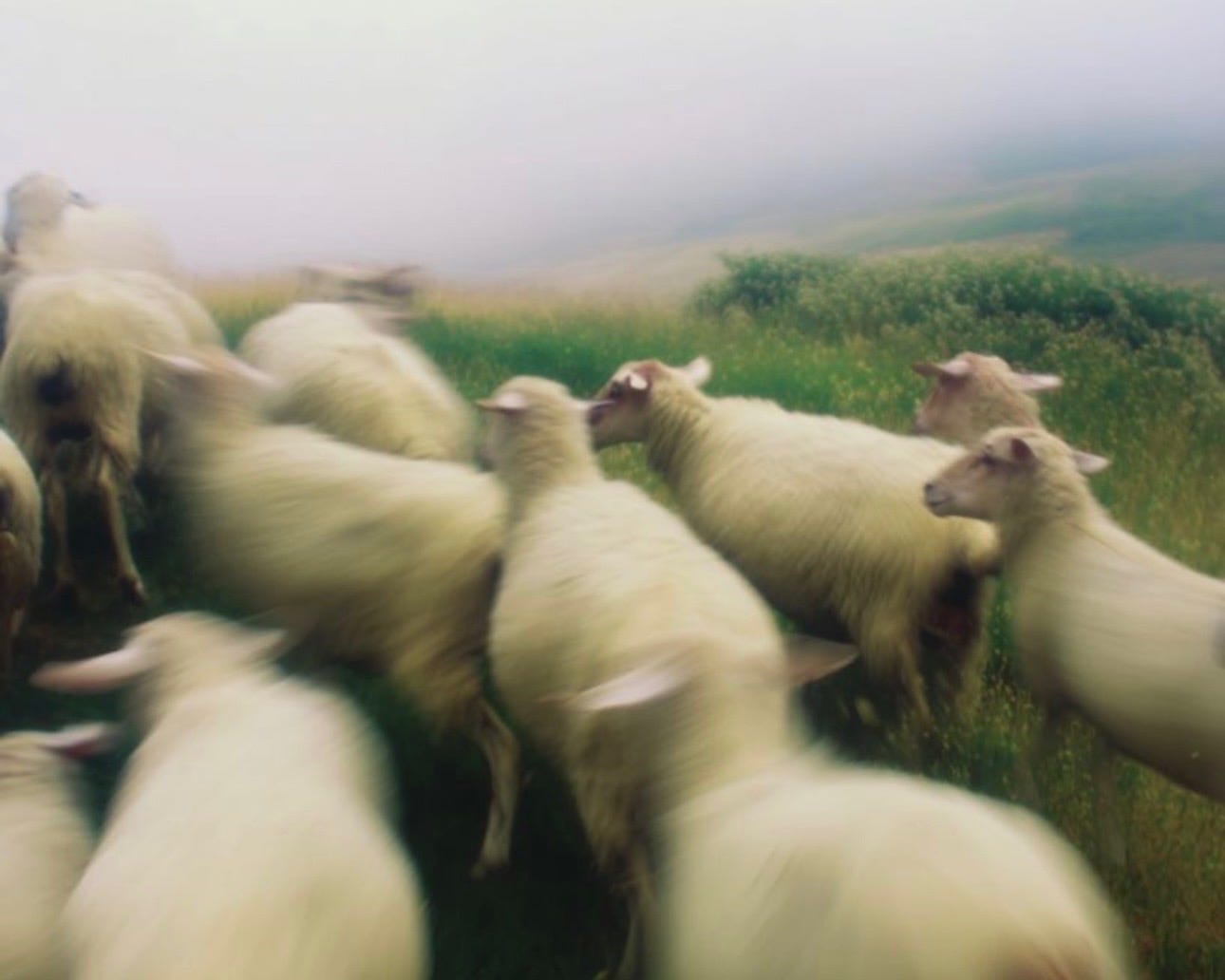
To observe the American landscape is to read a vast, physical ledger of survival and coexistence. For generations, the structure of this expanse was maintained by a quiet, steady presence: the local cultivator. Functioning as the backbone of the agrarian ecosystem, these independent farmers adapted to the specificities of their terrain. They learned the carrying capacity of the watersheds, the frost dates of the valleys, and the temperament of the soil. Like native perennials, their continued survival was inextricable from the health of the immediate environment they inhabited.
Ecosystems, however, are vulnerable to shifts in scale. Driven by the immense pressure to yield and sustain a growing population, the American landscape has undergone a profound structural reorganization. Small, localized networks of farmers have increasingly merged into massive, consolidated frameworks. While this architecture of efficiency has successfully generated unprecedented volume, in ecological terms, it resembles the spread of a monoculture. The diverse, independent farms that once flexed and adapted to local conditions are frequently acquired and absorbed by uniform systems directed from afar.
The traditional farmer, long the autonomous responder to the land, often faces the quiet hardship of navigating this new topography. Caught in the momentum of larger economic structures and the reality of corporate consolidation, their deeply localized knowledge is sometimes overshadowed by rigid cycles of production that must prioritize overarching scale over seasonal equilibrium.
This shift in scale alters not only the human relationship to the land, but the physical reality of the animals within it. In a localized system, an animal is an active participant in the ecology. Their movements distribute nutrients, their grazing encourages root growth, and their lifecycles are tethered to the turning of the seasons.
As systems consolidate for efficiency, the animal is frequently removed from the open landscape. Enclosed in standardized environments to maximize output and consistency, their biological inheritances: the instinct to migrate, to flock, to feel the varied textures of the earth and the heat of the sun are suspended. They are held outside of nature’s rhythms, adapted into isolated components of a larger, highly structured mechanism.
The consequences of this separation ripple outward, registering physically in the environment. When the continuous loop between animal, soil, and plant is broken, the byproducts of life accumulate rather than regenerate. Nutrients that would have fed a pasture wash away, altering the chemistry of distant rivers.
Simultaneously, the atmosphere absorbs the friction of these vast, disconnected systems. The natural carbon cycle is disrupted, gathering trapped heat and fundamentally shifting the climate. The changing weather patterns; heavier rains, prolonged droughts, and shifting frost lines are the earth’s physical response to an agriculture that has outgrown its localized boundaries. When the independent caretaker is displaced and the animal is immobilized, the landscape naturally loses some of its inherent resilience.
We are, ultimately, a single species attempting to secure sustenance from a finite earth. The mechanisms we build to feed ourselves, whether small and rooted or vast and consolidated, inevitably reshape the ground we stand on. Yet, as we look toward the future, the question of how we cultivate shifts from one of mere efficiency to one of fundamental biological alignment.
In the natural world, ethics are not an abstract human philosophy; they are written in the physical health of an ecosystem. A stable ecology is inherently reciprocal, reliant on the natural rhythms and intrinsic value of every organism within it. When we reduce the animal to a stationary unit and the landscape to a uniform grid, we step outside this foundational balance. The future of the American farm will likely be determined not by the sheer capacity to produce, but by the physical limits of the living world to absorb the methods of that production.
Beneath the geometry of modern consolidation, the original rules of the earth remain intact. The soil continues to record the weight of our choices, and the atmosphere reflects the balance of our exchanges. To observe agriculture today is to witness an ongoing, fragile interplay. It is a living system, bound by the unyielding laws of biology and shaped inevitably by the deep and ancient forces of climate, time, and survival.